
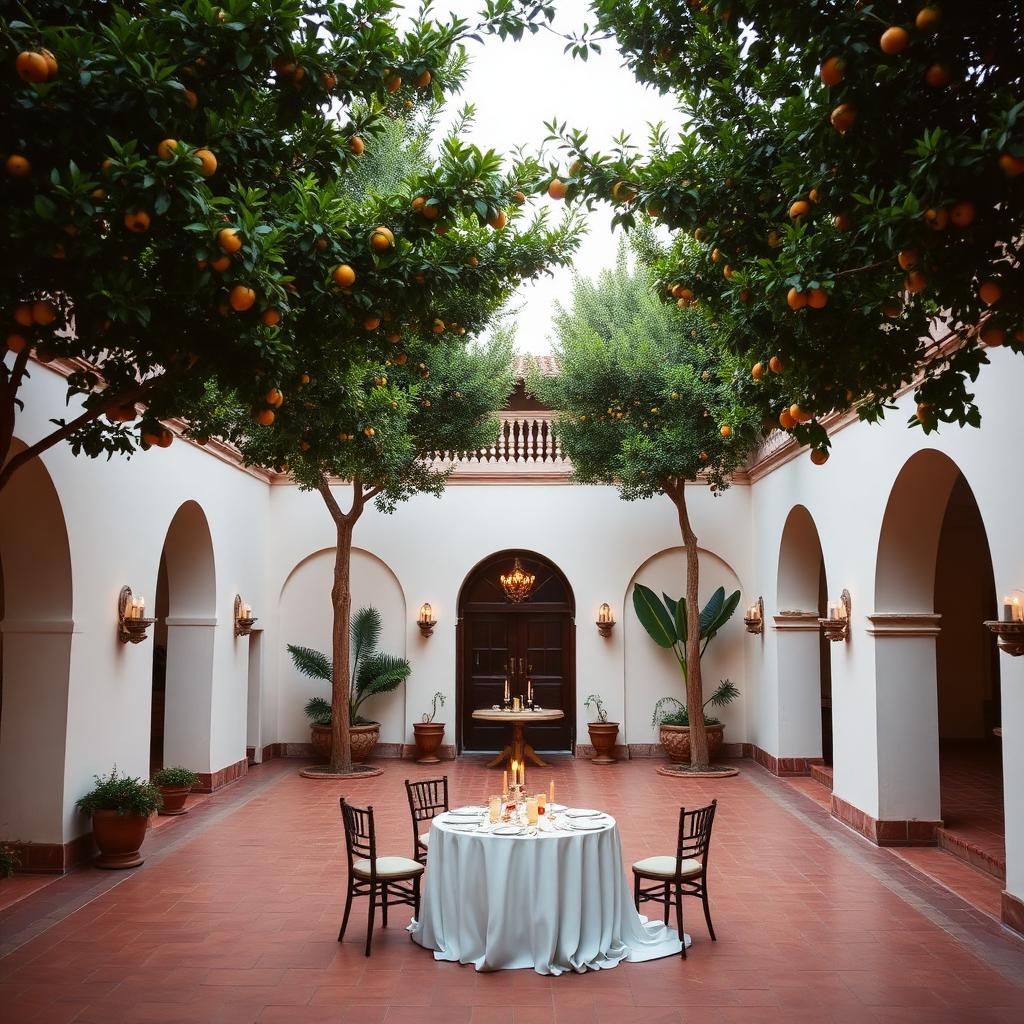
A destination wedding is any wedding that happens somewhere other than where the couple lives. That is the whole definition. It doesn't have to be a beach, it doesn't have to be abroad, and it doesn't have to be small.
What makes destination weddings different, in practice, is that the couple isn't near the venue day-to-day, most guests are traveling to be there, and the day is often part of a longer weekend rather than a single afternoon. Everything else — the tone, the size, the formality — is a choice.
Why couples choose them
The reasons we hear most often, in the order we hear them:
- •The place matters to them — a country one of them is from, or a region they return to together.
- •They want fewer guests, more time. Distance is a gentle filter, and the guests who come genuinely want to be there.
- •Weekends, not hours. Destination weddings usually stretch across two or three days, which changes the whole rhythm of the celebration.
- •A slightly slower, more considered day. When you can't do it all at home, you tend to stop trying.
What is different about planning one
The mechanics change more than the emotions. You will do more of the planning by video call than in person. Site visits become deliberate trips instead of a Saturday drive. Local knowledge — of vendors, of paperwork, of which venues are as good as their photos — becomes disproportionately important. This is the reason destination weddings and boutique planners tend to belong together.
The legal question, honestly
This is where most couples get their first wave of worry, and it is almost always over-thought. In most destinations, including Spain, a symbolic ceremony at your chosen venue — with a celebrant, your vows, and everything your guests would recognise as a wedding — is what actually happens on the day. The legal marriage is then done at home, either just before or just after the trip.
It is calmer, cheaper and more flexible than the alternative. Full civil ceremonies in another country are possible but almost always carry residency and paperwork requirements that don't fit an international guest list. A good planner will explain the trade-off honestly and let you choose.
The first three decisions
Almost every destination wedding rests on three early decisions, in this order:
- •Country and region. Not the venue yet — the region. This one choice sets the rhythm of the whole weekend.
- •Rough shape and guest count band. Elopement, intimate wedding, or full-weekend celebration. And a range, not a fixed list.
- •Weekend and backup weekend. Give yourself two options; the right venue may open one and not the other.
Everything else — venue, vendors, styling, menus — becomes much easier once those three are decided. Trying to choose them all at once is what makes destination planning feel overwhelming.
When to bring in a planner
Earlier than most couples think. Not because you can't research on your own — you absolutely can — but because a good planner saves you from investing weeks in a direction that quietly doesn't work. Even a single discovery call, before anything is booked, tends to save the whole rest of the process.
The kind of planner you want for a destination wedding is one who lives where the wedding is, works only in a small number of regions, and is honest about which weddings are and aren't the right fit for them. Boutique caps exist for a reason.
A quiet first step
If you are somewhere in the middle of "maybe Spain, maybe somewhere else, definitely not sure yet," the calmest first step is a conversation, not a spreadsheet. A discovery call is 30 minutes. It costs nothing. Bring your rough vision — we'll help you see it more clearly, and tell you honestly whether we're the right team to build it with you.
Curious whether Spain is your place?
A discovery call is the calmest way to test the idea before you commit to anything.
Book a Discovery Call